
tempered glass sheet
The Silent Check Valve An Essential Component in Fluid Systems In the intricate world of fluid dynamics, the Silent Check Valve plays a pivotal role, ensuring the smooth and efficient functioning of various systems. This unsung hero is a critical element that often goes unnoticed but holds immense significance in maintaining the integrity of pipelines and preventing backflow. A check valve, by definition, is a non-return valve that allows fluid to flow in one direction while preventing its reverse movement. The term silent appended to it refers to its unique feature of operating with minimal noise, making it an ideal choice for applications where sound emissions need to be controlled or reduced. It is designed to minimize the slamming effect that can occur when a conventional check valve abruptly shuts, thereby reducing noise and potential damage to the system. The silent check valve's design is a testament to engineering ingenuity. It incorporates a spring-loaded disc or a floating ball that seals the valve passage when the flow reverses. The spring force is carefully calibrated to ensure that the valve closes gently, dampening any sudden pressure changes and thus, muffling any loud banging sounds. The valve body is often made from materials like stainless steel, brass, or PVC, ensuring durability and compatibility with a wide range of fluids. The silent check valve finds application in numerous industries, including water supply systems, HVAC, pharmaceuticals, oil and gas, and even aerospace. In water systems, they prevent backflow, ensuring clean water supply. In HVAC systems, they maintain the desired flow direction, while in pharmaceuticals, they ensure contamination-free fluid transfer In HVAC systems, they maintain the desired flow direction, while in pharmaceuticals, they ensure contamination-free fluid transfer In HVAC systems, they maintain the desired flow direction, while in pharmaceuticals, they ensure contamination-free fluid transfer In HVAC systems, they maintain the desired flow direction, while in pharmaceuticals, they ensure contamination-free fluid transfer silence check valve . In oil and gas, their ability to operate silently is crucial in minimizing noise pollution, especially in offshore platforms. The silent check valve's silent operation not only reduces noise pollution but also enhances the lifespan of the pipeline system. By preventing the harsh slamming action, it minimizes stress on pipes and fittings, reducing the risk of leaks or structural damage. Furthermore, its compact size and simplicity make it easy to install and maintain. However, like any engineering solution, the silent check valve comes with its own set of considerations. Its performance can be influenced by factors such as fluid viscosity, pressure drop, and flow rate. Regular inspection and maintenance are necessary to ensure optimal functionality. In conclusion, the silent check valve is more than just a simple plumbing component; it is a sophisticated tool that harmoniously balances efficiency, safety, and environmental considerations. Its silent operation belies its significant contribution to the smooth running of countless fluid systems worldwide, highlighting the importance of understanding and utilizing the right technology for the right application. As we continue to push the boundaries of engineering, the silent check valve stands as a testament to the quiet power of thoughtful design.
about
tempered glass sheet
The Precision Engineer's Spirit Level An Indispensable Tool for Accuracy In the realm of engineering, precision is not merely a goal; it's a necessity. The accuracy of any engineering project hinges significantly on the tools employed, and among them, the spirit level holds a critical place. As a quintessential instrument for measuring horizontal and vertical alignments, the spirit level or bubble level epitomizes the blend of simplicity and sophistication in engineering tool design. A spirit level essentially consists of a sealed glass tube, partially filled with liquid, and contains an air bubble. When the level is placed on a surface, the bubble seeks the highest point of the liquid, which is centrally positioned. This unique feature allows the user to ascertain whether a surface is perfectly level or plumb. Precision engineers understand that minor discrepancies in level can cascade into major misalignments affecting structural integrity, functionality, and safety. Thus, employing a high-quality spirit level is essential in achieving meticulous standards. The Precision Engineer's Spirit Level An Indispensable Tool for Accuracy In the workshop or job site, precision engineers utilize a variety of spirit levels tailored to specific tasks. Traditional spirit levels, typically 24 inches long, are ubiquitous, yet varying lengths and sizes ensure accessibility in all situations. For intricate projects, a torpedo level—shorter and often featuring magnetic strips—can offer convenience in tight spaces. Furthermore, digital spirit levels now combine traditional principles with electronic sensors, providing readings on a digital display for enhanced user experience and accuracy. precision engineers spirit level In engineering applications, the importance of achieving a level surface cannot be overstated. For instance, in construction, foundations must be laid perfectly level to prevent structural damage over time. The application of the spirit level extends beyond construction; in precision engineering fields such as machining, automotive design, and even aerospace engineering, components must be accurately aligned to ensure functionality. A misaligned part, however minuscule, can lead to failures in complex systems, highlighting the indispensable role of the spirit level. Moreover, the spirit level serves an educational purpose as well, teaching fundamental principles of physics and geometry. It illustrates how gravity plays a pivotal role in determining the balance of objects, which is a critical concept in many engineering disciplines. The incorporation of spirit levels in educational setups prepares aspiring engineers for real-world applications, instilling in them an appreciation for accuracy and precision. However, while spirit levels are integral for horizontal and vertical alignment, engineers must also consider the potential for human error. The effectiveness of a spirit level relies heavily on the user’s ability to interpret the readings correctly and understand the tool's limitations. Therefore, it is advisable for engineers to complement the use of spirit levels with other measurement tools, thereby minimizing the risk of inaccuracies caused by environmental factors or equipment malfunction. In conclusion, the spirit level is more than just a measuring tool; it is a symbol of the pursuit of precision in engineering. Its simplicity belies the critical role it plays in the success of projects across various domains. As technology advances and new measuring tools are developed, the spirit level will likely remain a stalwart instrument in the precision engineer's toolkit, a testament to enduring design that meets the timeless demand for accuracy and excellence in engineering. Whether in rigorous construction sites or specialized workshops, the spirit level epitomizes the essence of what it means to be precise.
-

High quality industrial productsagement

High quality industrial products
View Details -

Meet the diverse needs of customers

Meet the diverse needs of customers
View Details -

Strict quality control

Strict quality control
View Details -

Top raw materials

Top raw materials
View Details -

Trusted supplier

Trusted supplier
View Details
Our application
news and information
Vanne de retenue à boule de 1% pour une performance optimale du système hydraulique
1 ball check valve .
wskazuje mikrometr
Indykatory Mikrometryczne Zastosowanie i Właściwości Indykatory mikrometryczne to precyzyjne narzędz
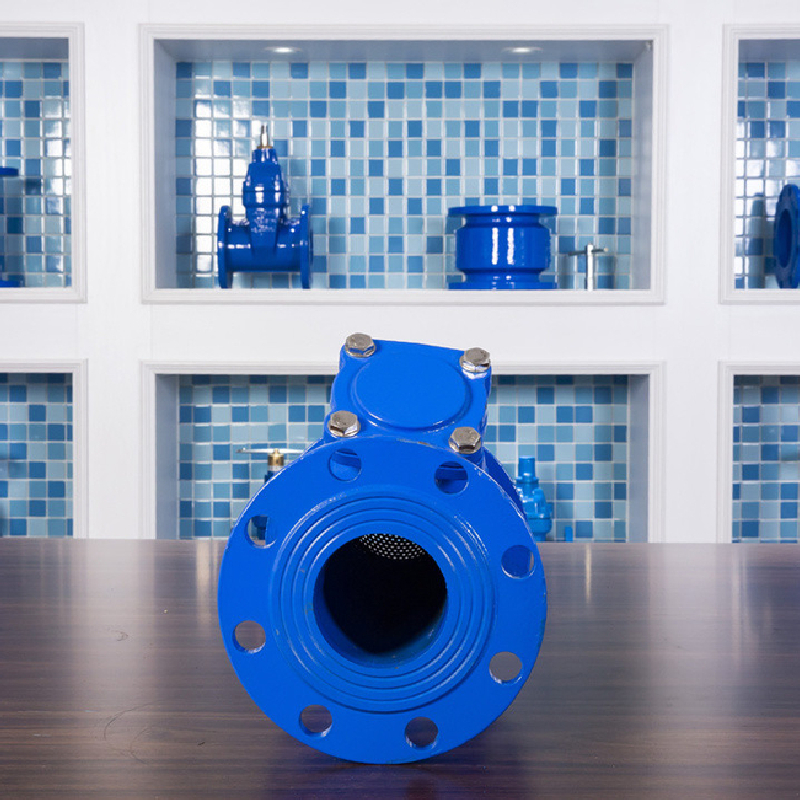
Valvola filtro tipo y
La Valvola Strainer di Tipo Y Importanza e Funzionamento La valvola strainer di tipo Y è un componen
 English